Tratics Rail Rate Blog
In Grain, Freight Visibility Can Make or Break the Basis Trade
There's a window in grain that closes faster than anything in chemicals, plastics, or steel. You see the market move. You see the basis strengthen at a destination terminal. You see an export window crack open at Gulf terminals. You know exactly which elevators have inventory, which buyers are bidding, and roughly what the math should look like. The only thing standing between you and a profitable trade is one question: what is it going to cost to move it? If the answer to that question takes hours, you're already late. If it takes a day, the window is closing. If it takes longer than that, the trade is gone and somebody else, working with better rate visibility, just took it. This is the part of grain rail procurement that doesn't get talked about enough. Margins in this industry are tight, seasonal, and basis-driven. And the speed of rate intelligence has quietly become one of the most underrated competitive variables on the trading floor.
Read more
Chemical Rail Rates Are Still Managed in Spreadsheets. Here's Why That's a Problem
If you ship chemicals by rail in North America, you already know how complicated the rate side of the business is. Long-term contracts with multiple Class I carriers, fuel surcharge adjustments, tariff amendments, minimum volume commitments, refunds, and so on. Each one documented somewhere, by someone, in some version of a file that may or may not be current.
Read more
Tratics rail rate estimates integrated into Sidings
Tratics today announced the integration of its rail freight rate estimates into the Sidings™ platform operated by Standard Rail. The integration enables companies evaluating rail transportation needs to access quick cost estimates within the Sidings™ workflow.
Read more
Cross-Border Rail Freight in 2026: Trends, Challenges & Opportunities
In 2026, cross-border rail freight continues to play a critical role in North American supply chains. As trade between the United States, Canada, and Mexico remains strong, rail offers an efficient way to move goods over long distances while complementing truck and ocean freight. Its capacity, reliability, and sustainability advantages make it a key mode for international shipments. Every day, billions of dollars’ worth of goods cross North American land borders, with surface transportation accounting for the majority of that movement. Rail represents a significant share of this activity, particularly for industries such as automotive, agriculture, energy, and bulk commodities.
Read more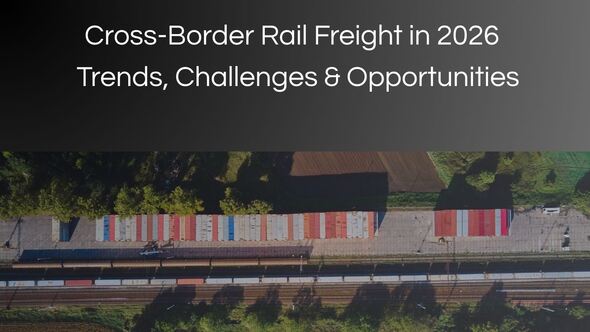
How Shippers Can Reduce Rail Freight Costs with Smarter Pricing
Rail freight remains one of the most cost-effective ways to move high-volume goods over long distances especially compared to shipping by truck. But with rising rates and fluctuating fuel costs, complex rate structures, and supply chain bottlenecks, many shippers struggle to keep rail freight expenses under control. The key to savings lies in better visibility, systems that put data to work, and ultimately smarter decisions.
Read more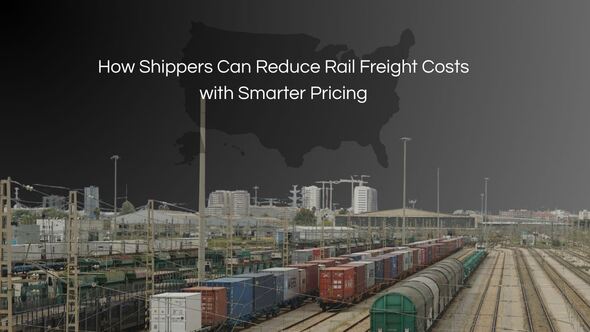
The Tratics 2026 Rail Freight Outlook
If 2025 was the year of "holding the line," 2026 is shaping up to be the year the logistics map is fundamentally rewritten. In the past year, the rail industry avoided the much-feared recession, but growth remained elusive. We saw a cooling job market and weak manufacturing offset by a resilient services sector. For railroads, it was a "mixed bag": intermodal volumes struggled, while bulk commodities like agriculture and energy provided a steady floor.
Read more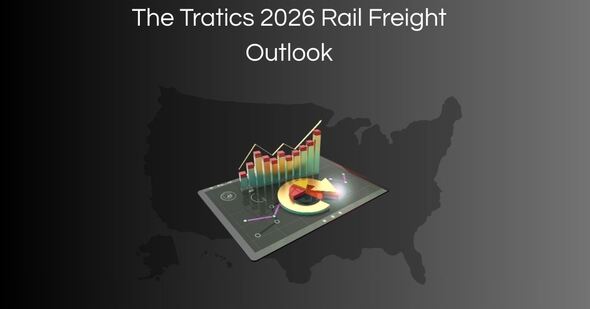
45 Years of the Staggers Rail Act: Progress and Balance
Read more
Understanding Freight Rail Rates: What Shippers Should Know
If you’re stepping into the world of rail logistics, one of the first questions you’ll have is how rail rates actually work. For many new logistics professionals and new shippers, it can feel like a mystery. Rates aren’t just a flat fee, they are shaped by a mix of factors that all come together to determine what you’ll pay. The good news is that once you understand the basics, managing freight costs becomes a lot easier.
Read more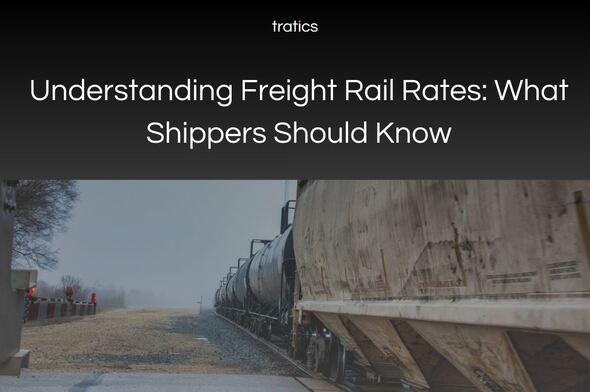
How Tratics Delivers Real-Time Rail Pricing for Smarter Freight Decisions
In rail freight logistics, timing and transparency are key. While shipment visibility and routing tools have advanced significantly in recent years, access to reliable, real-time pricing has lagged behind—forcing shippers to frequently make critical decisions based on incomplete data.
Read more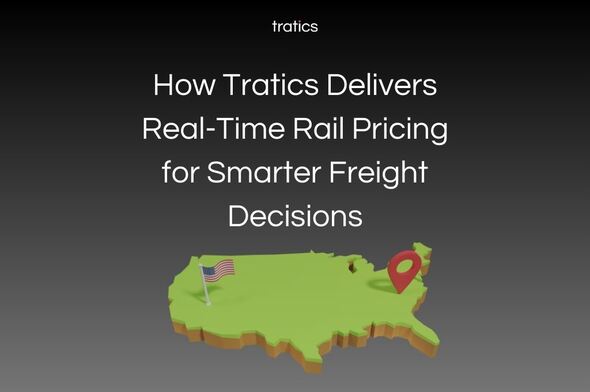
Keeping up with the Market: How Tratics' Real-Time Rail Pricing Helps Shippers Move Faster
Speed to market isn’t just important - it’s essential. Opportunities come and go quickly, and shippers need to be able to react just as fast. Whether it’s securing a rate, finding the best applicable rate, choosing the right carrier, or planning around market shifts, having timely cost information can make a significant difference in sales performance. This is where Tratics comes in.
Read more